In an era defined by "always-on" connectivity and a relentless pace of life, the human nervous system is being pushed to its evolutionary limits. We often speak of stress as an abstract concept, but it is a physiological reality that manifests in tight shoulders, shallow breathing, and a persistent sense of mental fog. For many, the "grind" has transitioned from a sign of productivity to a state of chronic depletion.
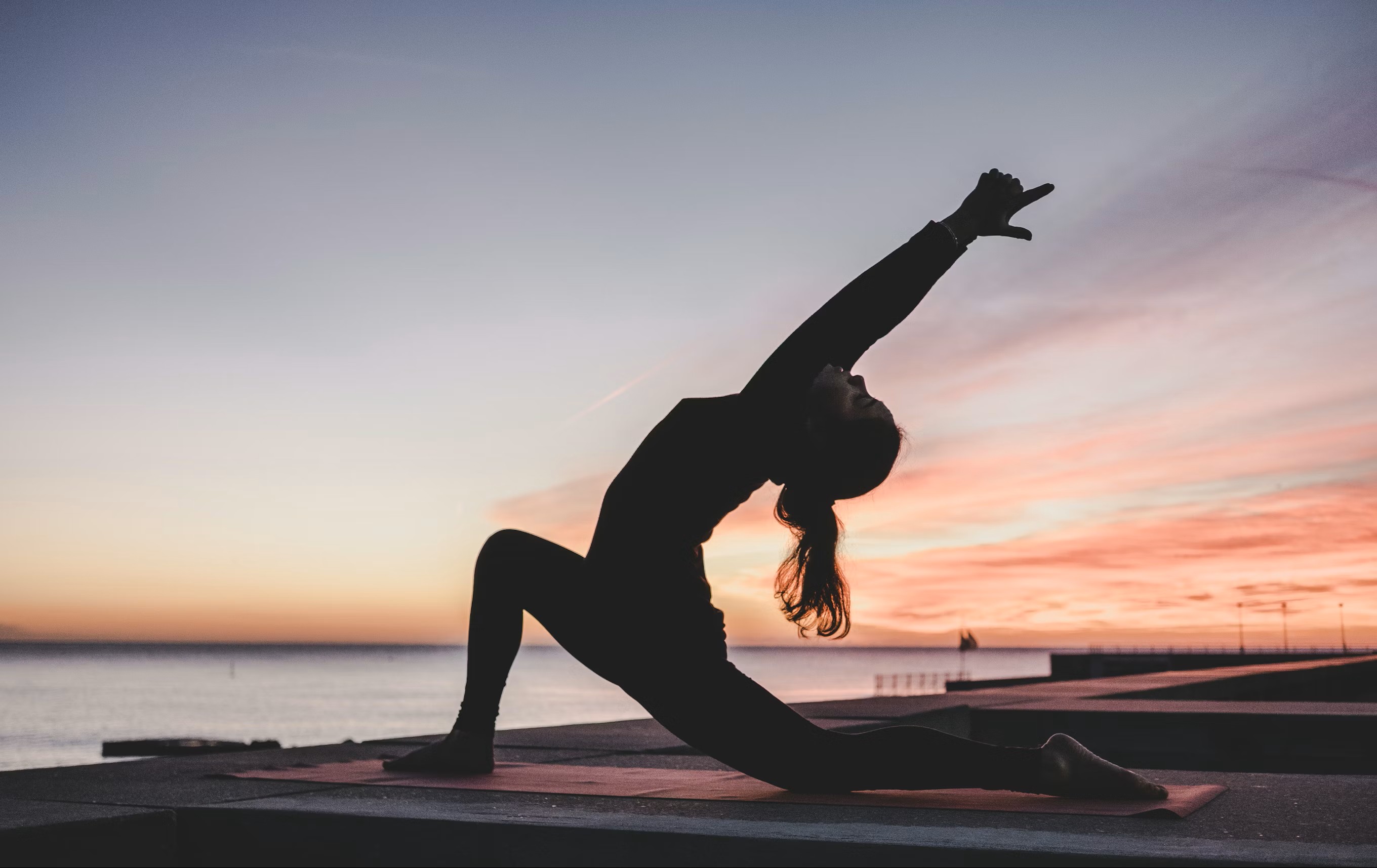
Yoga is frequently misunderstood as a purely physical pursuit—a series of athletic poses designed for flexibility. However, for those navigating the complexities of modern anxiety, yoga is a sophisticated neurological intervention. It is the practice of moving out of the "fight or flight" response and into a state of conscious regulation.
The Science of the "Reset": Yoga and the Nervous System
Our bodies are equipped with a survival mechanism known as the sympathetic nervous system. While essential for actual emergencies, this system is frequently hijacked by modern stressors—deadlines, traffic, and digital overstimulation. When this system stays "on," it floods the body with cortisol and adrenaline, leading to burnout and long-term health complications.
Yoga acts as a manual override for this cycle. By focusing on pranayama (breath control), practitioners activate the vagus nerve, the main component of the parasympathetic nervous system. This shift signals the brain to "rest and digest," lowering the heart rate and initiating the body's natural healing processes.
Processing "Body Memories"
Psychological research increasingly supports the idea that the body stores emotional tension. Trauma and chronic stress don't just exist in our thoughts; they settle into our physical tissues. Mind-body interventions like yoga allow individuals to process these stored emotions through movement. By holding a pose or flowing through a sequence, we create a safe environment to acknowledge and release physical manifestations of mental distress.
Breaking the Wellness Barrier: Yoga for Every Body
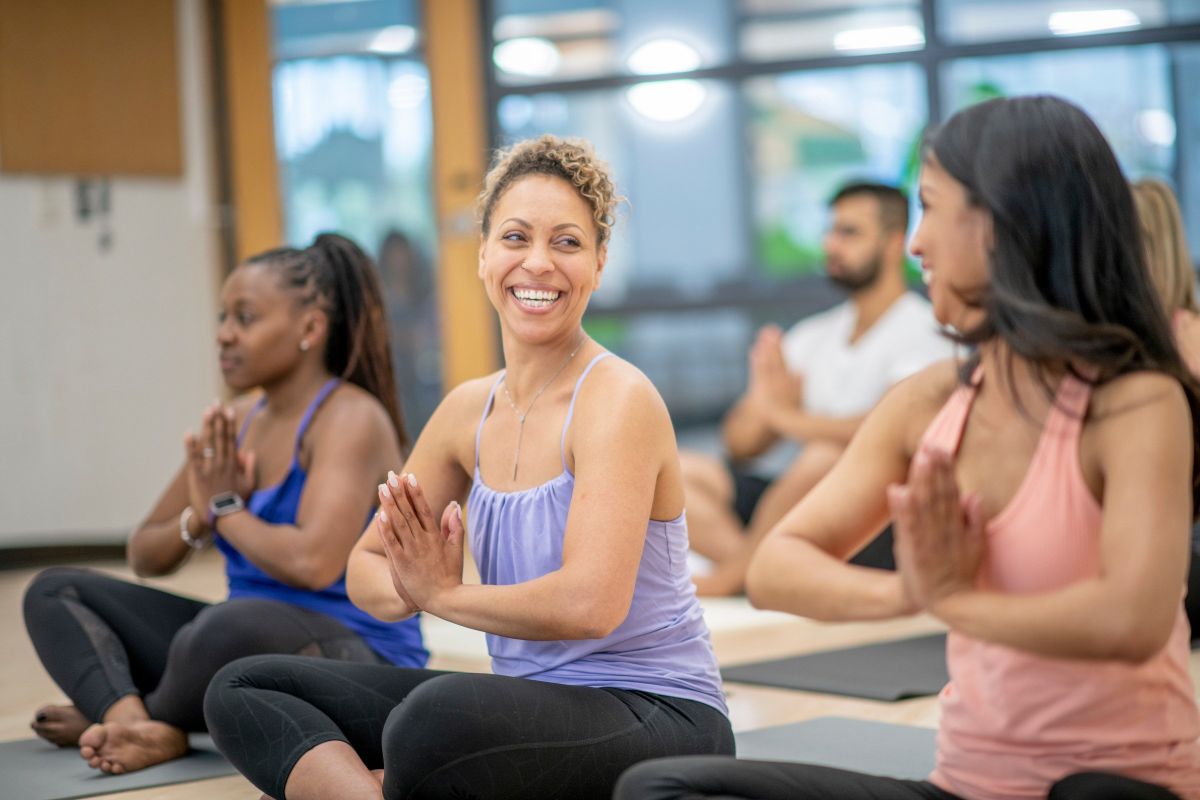
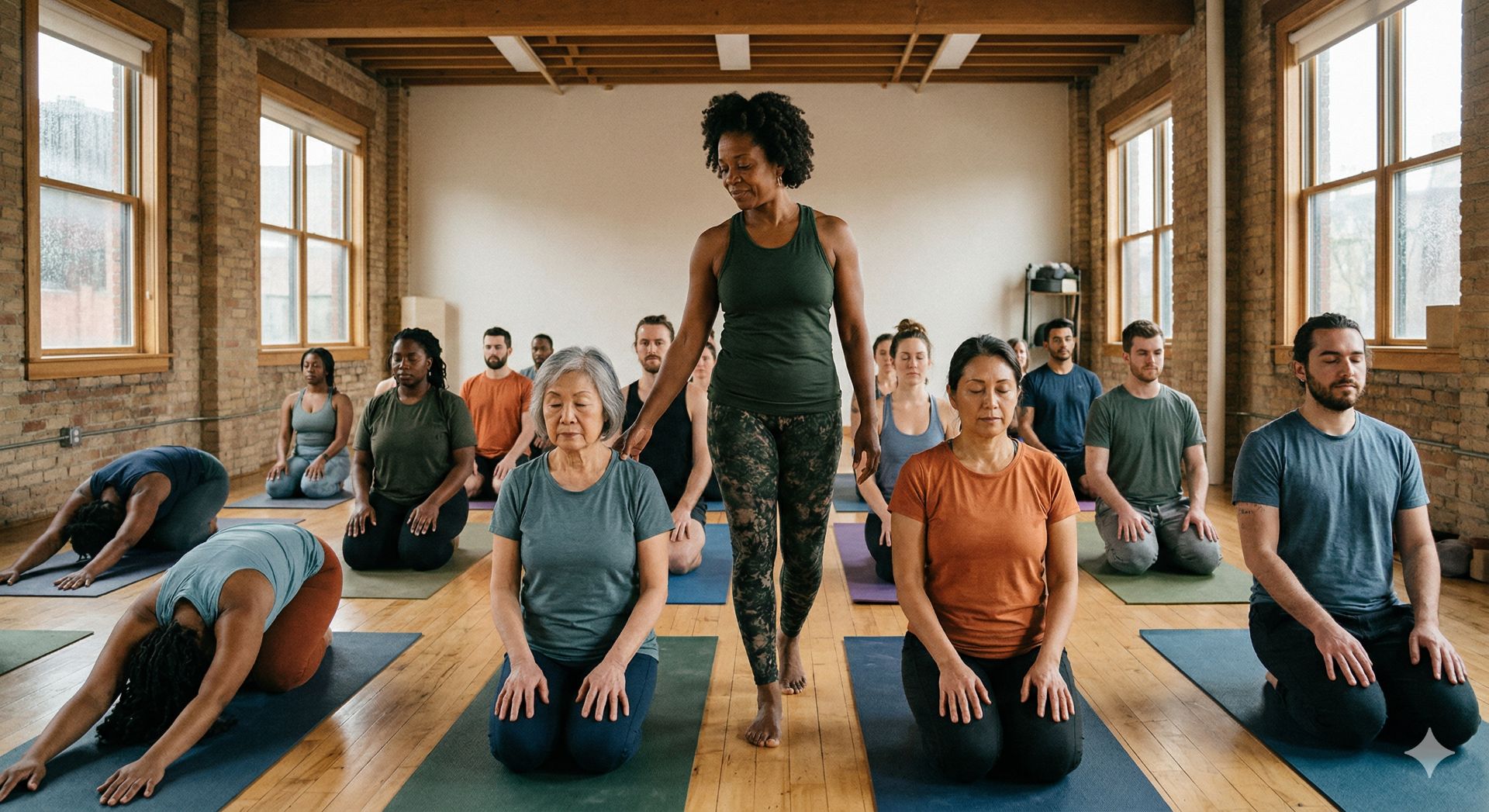
For too long, the "yoga world" was perceived as an exclusive club—catered to a specific demographic with specific aesthetic goals. Today, we are witnessing a global democratization of the practice. People of all races, ages, and body types are reclaiming the mat as a universal tool for mental health.
The rise of diverse representation and accessible community spaces has stripped away the "luxury" label. We are collectively realizing that mental clarity isn't a privilege for the few; it is a necessity for the many. Whether you are a corporate executive, a student, or a stay-at-home parent, the need for a "sanctuary of the self" is a shared human requirement.
The Power of Presence
In a world that constantly demands our attention, the simple act of being present is revolutionary. Yoga offers a judgment-free zone where the goal isn't to achieve perfection, but to achieve awareness. This shift from doing to being is often the first step in managing depression and generalized anxiety.
Yoga as a Tool for Emotional Intelligence
Yoga doesn't just make you feel better during the class; it builds a "toolkit" that you carry into your daily life. This is often referred to as increasing your Window of Tolerance.
- Mindful Observation: Yoga teaches us to notice a thought or a sensation without immediately reacting to it. This "space" between a stimulus and a response is where emotional freedom lives.
- The Discipline of the Breath: When you learn to breathe through the discomfort of a challenging pose, you are training your brain to stay calm during a challenging conversation or a high-pressure deadline.
- Radical Grace: On the mat, some days are focused on balance, while others are focused on simply staying upright. Learning to accept where you are today—without judgment—fosters a deeper sense of self-compassion that buffers against the harshness of the outside world.
A Holistic Approach to Global Health
The mental health benefits of yoga are increasingly recognized by major health organizations. The National Institutes of Health (NIH) and the American Psychological Association (APA) have highlighted yoga's efficacy in reducing symptoms of anxiety and improving overall sleep quality.
Because yoga addresses the "whole person"—mind, body, and spirit—it serves as a powerful complement to traditional therapy. While talking through problems helps process the "why," yoga helps manage the "how" of the body's physical reaction to those problems.
Getting Started: Yoga in the Real World
You don't need a studio membership or expensive gear to begin. The most effective yoga practice is the one you actually do.
- Embrace the "Mini-Practice": Five minutes of deep stretching or focused breathing in the morning can shift your entire neurochemistry for the day.
- Focus on the Exhale: If you feel overwhelmed, try making your exhales longer than your inhales. This simple ratio shift is one of the fastest ways to calm the nervous system.
- Find Your Style: From the intensity of Power Yoga to the deep stillness of Restorative Yoga, there is a style for every temperament. Experiment until you find the one that feels like "home."
The Final Word
Yoga is not about touching your toes; it is about what you learn on the way down. In a fragmented world, it is a practice of integration—bringing the mind back to the body and the soul back to the center. It is a quiet, powerful way to say to yourself: "I am here, I am breathing, and I am enough."
Your peace is not a destination; it is a practice. Start where you are.
References & Sources:
- American Psychological Association (APA) - The Science of Stress and the Relaxation Response.
- Journal of Clinical Psychology - Mind-Body Interventions and Trauma Recovery.
- National Institutes of Health (NIH) - Yoga for Health: What the Science Says.
- National Alliance on Mental Illness (NAMI) - Integrative Medicine and Mental Health Support.