Scan the schedule at almost any studio and the class names read like a menu in a language you only half know. A 7 a.m. Vinyasa, a noon Hatha, a Thursday evening Yin and a Sunday Restorative may all happen on the same floor with the same mats, yet a student who wanders into the wrong one can leave either bored or overwhelmed, and sometimes convinced that yoga is simply not for them.
The yoga style is the single most useful word on the schedule. It tells you how fast the class will move, how long you will hold each posture, how much the teacher will correct your alignment and whether you will finish sweating or nearly asleep. Hatha and Iyengar teach the shapes slowly and precisely, Vinyasa and Ashtanga link them into flowing sequences, and Yin and Restorative slow the practice down until stillness becomes the work.
More people than ever are making that choice. The National Center for Complementary and Integrative Health reports that the share of U.S. adults who practiced yoga rose from 5.0 percent in 2002 to 15.8 percent in 2022, and the agency notes that styles range from gentle practices to physically demanding ones, a difference large enough that it can change the results of research studies.
Hatha: The Foundation Most Classes Grew From
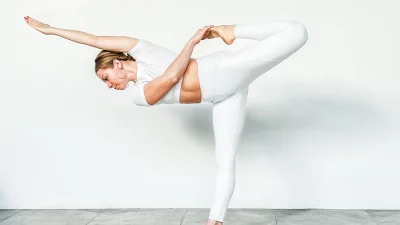
Hatha is the broad tradition of physical yoga from which most modern styles descend, and on a studio schedule the word usually signals a slower class in which each posture is entered, held for several breaths and released before the next one begins. Teachers explain the shape as they go, and the pace leaves room to ask questions, rest in child's pose and notice how a pose feels on the left side compared with the right.
That makes Hatha a natural first yoga class for most adults, including people who have never stretched seriously or who are returning after injury. In terms of exertion, a typical Hatha session sits in light-intensity territory, well below the faster flowing styles, as we laid out in our look at whether yoga counts as cardio.
Iyengar: Precision, Timing and Props
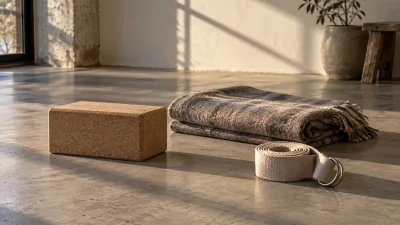
B.K.S. Iyengar built a method around exactness, and the Iyengar Yoga National Association of the United States describes its focus on precision, timing, sequencing and the use of props as a way to help the practitioner develop awareness in any posture. Iyengar Yoga UK credits him with pioneering the use of yoga props including mats, blocks, bolsters, belts and bricks, which is why a first Iyengar class can involve more equipment than any other style.
According to the American association, only Certified Iyengar Yoga Teachers may describe their instruction as Iyengar Yoga, certification runs across five distinct levels, and the top two levels are assessed directly by the Iyengar family at the Ramamani Iyengar Memorial Yoga Institute in Pune, India. Students who like detailed feedback, or who need to modify postures around stiffness or an old injury, tend to thrive here, and our guide to blocks, bolsters and straps explains what that equipment does for the body.
Vinyasa: Breath-Linked Flow That Changes Every Class
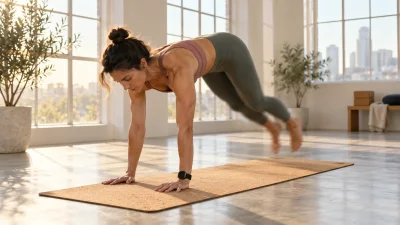
Vinyasa classes string postures together on the rhythm of the breath, usually built around sun salutations, so that the body moves almost continuously from the first downward dog to the final rest. Each teacher designs the sequence, which means two Vinyasa classes in the same week can feel entirely different, one emphasizing hip openers and the next building toward an arm balance.
The style suits people who enjoy movement, music and a little sweat, and it is where many runners, cyclists and gym regulars first find yoga. Power yoga is its more athletic cousin, faster and more strength-focused, and the safety research discussed below suggests it deserves a bit more caution from newcomers.
Ashtanga: A Fixed Sequence, Learned Pose by Pose
Ashtanga follows a set series of postures taught by Shri K. Pattabhi Jois in Mysore, India, and the traditional way to learn it is called Mysore style. Students practice independently and at their own pace while a teacher circulates to adjust and add new postures, and the method, as the Jois family studio describes it, relies on memorization and becoming proficient in what has been taught before progressing further. Many Mysore programs also hold a weekly led class in which the whole room moves through the Primary Series together.
The appeal is structure. Because the sequence never changes, progress is easy to see from month to month, and the daily repetition rewards people who like a training plan. The demand is equally clear, since the series is vigorous and the culture expects frequent practice, which makes Ashtanga a better second style than a first for most beginners.
Yin: Long Holds Close to the Floor
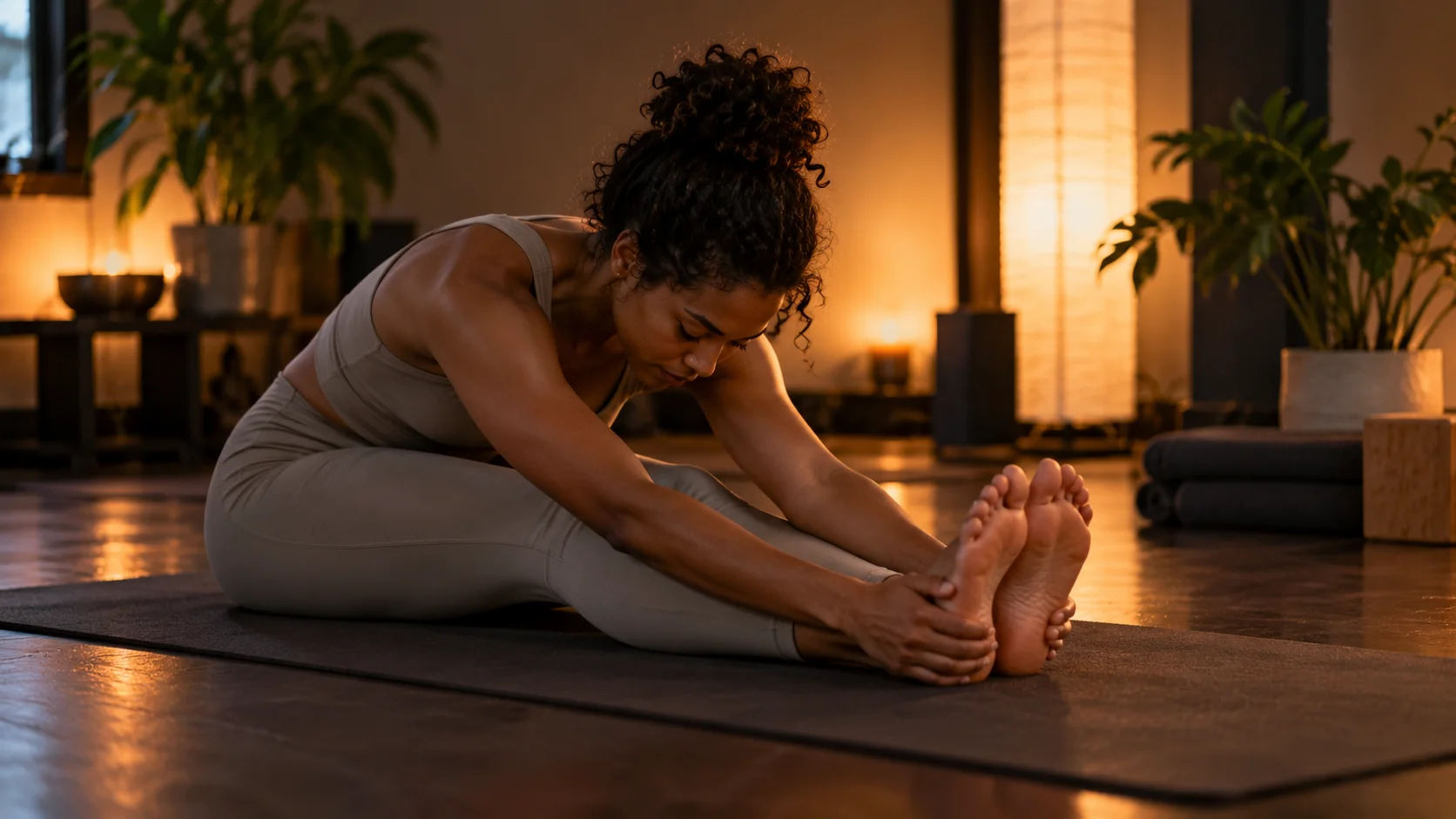
Yin yoga slows the clock dramatically. Its postures are mostly seated or lying down and are held for several minutes, and Paul Grilley, one of the teachers who shaped the style, names five archetypal poses as the foundation of yin practice, the Shoelace, Saddle, Caterpillar, Dragonfly and Twist. In one of his own instructional pieces he directs students to hold a half frog for two to three minutes on each side.
The sensation is quieter than in a flowing class but not passive, since staying in a mild stretch for three minutes asks for patience and steady breathing. Yin pairs well with athletic training or a weekly Vinyasa class, and it often appeals to people who find that stillness, rather than effort, is the hardest thing to practice.
Restorative: Support Until the Body Lets Go
Restorative yoga takes the props of Iyengar and the stillness of Yin and pushes both further. Bolsters, blankets and blocks support the body in positions of ease and comfort, so that almost no muscular effort or stretching sensation remains, and a class might include only five or six postures in an hour.
"We're consciously manipulating the nervous system to create a state of relaxation in the body," the teacher Judith Hanson Lasater told Kripalu, adding that "the body needs to fall fully into physiological relaxation for at least 15 minutes."
It is the gentlest entry point for people recovering from illness, managing high stress or living with limited mobility, and experienced students often return to it during demanding stretches of work or training.
What the Safety Research Says About Style
Yoga's overall safety record is reassuring. A 2015 meta-analysis led by Holger Cramer in the American Journal of Epidemiology, pooling 94 randomized trials with 8,430 participants, concluded that yoga appears as safe as usual care and exercise, and NCCIH describes it as generally safe for healthy people, with sprains and strains as the most common injuries.
Style and age do shift the picture. Cramer's team later surveyed 1,702 practitioners in Germany and found that 21.4 percent reported at least one acute adverse effect, that such effects were more common among people practicing power yoga, and that Viniyoga, a gentle, individually adapted style, was associated with lower risk. Handstands, shoulder stands and headstands accounted for 29.4 percent of the practices linked to acute problems.
Emergency-room data tell a similar story about age. Thomas Swain and Gerald McGwin of the University of Alabama at Birmingham counted 29,590 yoga-related injuries treated in U.S. emergency departments from 2001 to 2014, most often to the trunk, and in 2014 found the injury rate highest among adults 65 and older, at 57.9 per 100,000 participants, against 11.9 among those aged 18 to 44.
"There are many benefits to yoga, and overall our findings show it is relatively safe," McGwin said when the study was released.
Matching a Style to Your Goal
A newcomer who wants to learn the postures properly will do well with two or three weeks of Hatha or Iyengar before trying anything faster. Someone chasing a workout can move toward Vinyasa and then Ashtanga, building inversions slowly and with a teacher's eye, while a person whose main goal is calm, sleep or recovery from a hard training block will usually get more from Yin or Restorative than from any flowing class.
Yoga Alliance's RYT 200 credential requires completion of a 200-hour training with a registered school and does not require prior teaching hours, while Iyengar certification adds years of assessment, so asking a new teacher how they trained is a reasonable question for any student. Many practitioners settle on two styles that balance each other, a Tuesday flow and a Sunday Yin, and the schedule that once read like a foreign menu becomes a week planned around how the body feels.